
Blog
In today’s crowded digital landscape, trust is currency, and few assets build that trust faster than customer reviews. Whether you’re a small business owner or a growing brand, learning to use customer reviews in marketing can significantly increase conversions, build credibility, and boost SEO.
In this guide, we’ll explore how to make the most of your reviews, where to place them, and how to encourage more positive feedback, without sounding forced.
Why Customer Reviews Matter
Before we dive into tactics, let’s clarify why customer reviews are so powerful:
- Trust and Credibility: According to BrightLocal, 98% of consumers read online reviews before making a purchase.
- Social Proof: Seeing real people praising your product or service reduces buyer hesitation.
- SEO Benefits: Google indexes review content, helping you rank higher for relevant keywords.
- Conversion Rates: Pages with product reviews can see a 270% increase in conversion rates (Spiegel Research Center).
Simply put, reviews validate your value.
1. Showcase Reviews on Key Marketing Channels
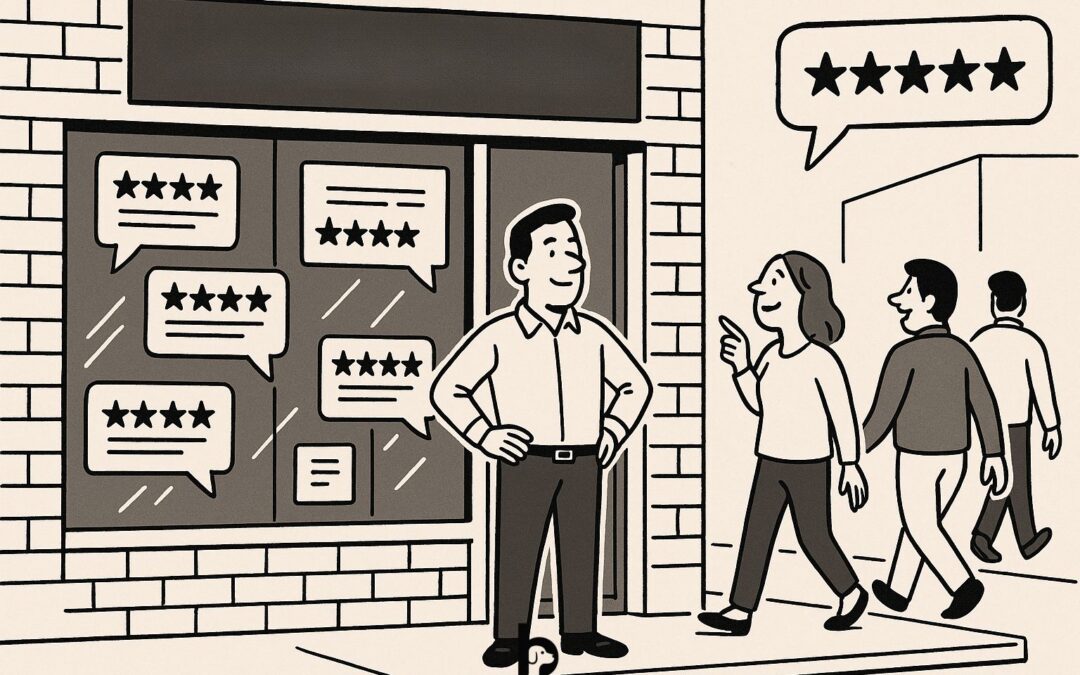
Website: Add reviews prominently on your homepage, product pages, or a dedicated “Testimonials” page. Include names, images, or video clips if possible to boost authenticity.
Email Marketing: Use quotes in email footers or promotional content. For example:
“We’ve had a record month, thanks to your feedback. See what other customers are saying!”
Social Media: Create quote cards with short, impactful review snippets to share across Facebook, Instagram, and LinkedIn. Encourage followers to leave their reviews with simple CTAs.
Advertising: Positive reviews can be used in Meta and Google ads, increasing CTR and lowering acquisition costs. Just ensure compliance with platform policies and disclosure guidelines.
2. Encourage More Reviews (the Right Way)
A steady stream of reviews signals consistent service. Here’s how to gently prompt your customers:
- Email Follow-Ups: Send automated review requests after purchase with a simple question, such as: “How did we do?”
- Incentives: Offer a discount or freebie for leaving a review, but make sure it doesn’t feel like you’re “buying” praise.
- Google Business & Trustpilot Links: Make it easy. Include direct links to review platforms in your communications to facilitate easy access.
3. Repurpose Reviews as Content
Don’t just collect reviews, use them to fuel your content strategy:
- Blog Posts: Feature monthly customer spotlights or case studies.
- Videos: Turn positive testimonials into short-form reels or animated clips.
- FAQ Sections: Incorporate real feedback into answers.
- Q: Is your service easy to use?
- A: “I’m not tech-savvy, but Barker’s made the process seamless!” – Jane T.
This creates a dynamic and authentic voice across all your channels.
4. Respond to Reviews, Even the Bad Ones
Responding to reviews, especially critical ones, shows professionalism and a commitment to improvement.
- Be prompt: Try to respond within 48 hours.
- Be human: Acknowledge the issue and offer a resolution.
- Be positive: Thank the reviewer for their honesty.
This turns a potentially harmful impression into an opportunity to showcase your brand values.
5. Use Reviews for Insight
Marketing isn’t just about broadcasting, it’s about listening. Reviews often highlight:
- What your customers truly value
- Repeating issues with your product or process
- Language your target market naturally uses (great for SEO and ad copy)
Use this feedback to improve services and refine your messaging.
Final Thoughts
Customer reviews aren’t just nice to have, they’re essential. In a world where trust drives conversions, showcasing authentic customer voices can be the difference between “browsing” and “buying.”
At Barker’s Marketing, we help small businesses turn feedback into growth. Whether you need help with review campaigns, automating your follow-ups, or crafting testimonial-led content, our team is here to support you.